

Matchmaking site for genes leads scientists to autism candidate

All services are 100% virtual. I’m licensed in California and work with adults in California, by secure video.

Ready to get started or have questions? Click here to complete the contact form and connect with me.

Free Mini-Courses

Subscribe for free access to all mini-courses & get my weekly newsletter with the latest articles, news, videos & resource updates.

Genematcher
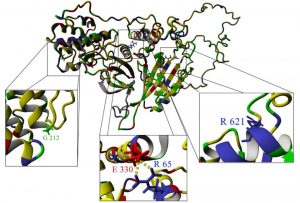
Researchers have identified a potential candidate gene, BRSK2, linked to autism, intellectual disability, and developmental delay through the use of the gene matchmaking site, GeneMatcher. The site helps scientists connect and collaborate on studies involving specific genes. In this case, the mutation in the BRSK2 gene was found in nine children, seven of whom had been diagnosed with autism. This is the first study linking the BRSK2 gene to neurodevelopmental conditions.

The BRSK2 gene encodes an enzyme that aids in the growth of axons in neurons. By analyzing the DNA of 371 children with unexplained delay or disability, the researchers were able to identify genetic causes through sequencing. The addition of five more individuals with BRSK2 mutations brought the total to nine. Whole-genome sequencing, which was previously not feasible, was used in this study, which may explain why the BRSK2 gene had not been linked to neurodevelopmental conditions before.

While researchers are uncertain if BRSK2 is exclusively an autism gene, the discovery offers families affected by BRSK2 mutations a more precise diagnosis. The identification of a BRSK2 mutation provides tangible benefits for affected families, such as connecting with others facing similar experiences through personal and social media interactions. Additionally, pinpointing mutations related to brain conditions may have future therapeutic implications.


References:
  1. Hiatt S.M. et al. Am. J. Hum. Genet. 104, 701-708 (2010) PubMed
  2. Barnes A.P. et al. Cell 129, 549-563 (2007) PubMed
  3. Kishi M. et al. Science 307, 929-932 (2005) PubMed
  4. Crump J.G. et al. Neuron 29, 115-129 (2001) PubMed

Link to original article

Ready to get started?

Dr. Kenneth Roberson - Adult Autism Psychologist