

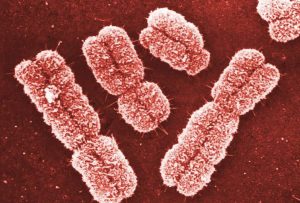
Researchers are exploring the potential of drugs that modify gene expression to improve social behavior in individuals with autism. An experimental compound that targets chromatin, the complex coil of DNA and protein, has shown promise in enhancing social behavior in young mice with autism mutations. The compound blocks two enzymes, EHMT1 and EHMT2, which are involved in adding methyl groups to histone proteins, thereby tightening chromatin and limiting gene expression. EHMT enzymes have loose connections to autism, with mutations in EHMT1 leading to Kleefstra syndrome, a condition associated with intellectual disability and potential autism. Additionally, human samples from individuals with autism have exhibited higher levels of EHMT2 compared to control brains.
Injecting mice with UNC0642, an inhibitor of EHMT1 and EHMT2, has been found to increase social interest in the mice and normalize signaling in neurons that excite brain activity. However, UNC0642 does not improve motor function, anxiety, or repetitive behaviors in the mice. Another protein, ARC, has been identified as potentially mediating the effects of SHANK3 mutations on social behavior. SHANK3 mutations can relocate a protein called beta-catenin to the nucleus, potentially altering gene expression. Beta-catenin binds to DNA near EHMT1 and EHMT2 genes, potentially increasing their expression. Restoration of either pathway improves social behavior in young mice, while both pathways may be necessary for adult animals.
While some drugs that target gene expression molecules have been developed for cancer treatment, repurposing these drugs shows promise in treating SHANK3 mutations. However, it is important to note that some of these drugs have serious side effects. Nonetheless, gaining a better understanding of the mechanisms involved in gene expression may lead to more targeted and effective treatments for individuals with autism.