

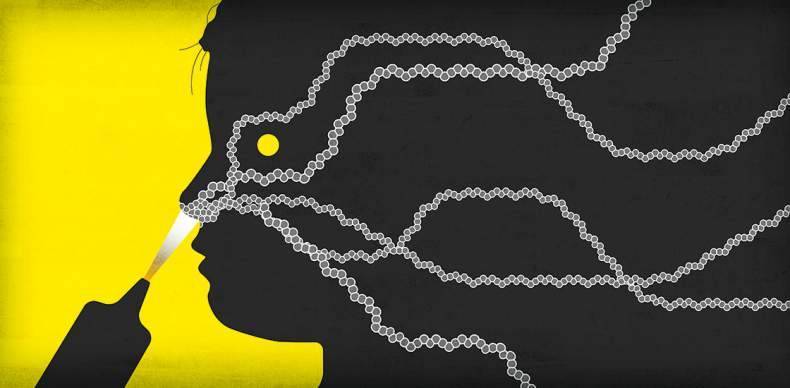
Vasopressin, a social hormone that affects social behavior, may hold potential for helping individuals with autism. Clinical studies have shown that administering vasopressin through the nose increased social behavior in autistic children. Conversely, blocking vasopressin with a pill called balovaptan has been found to improve social and communication skills in autistic adults. The age difference of participants in these studies suggests that the effects of vasopressin may vary between children and adults.
The delivery of vasopressin through the nose may have local or brain effects, as vasopressin receptors are found in the mouth and nose. On the other hand, balovaptan, taken orally, is absorbed into the bloodstream and affects different parts of the body, including the brain. Vasopressin can have behavioral effects in both the brain and peripheral tissues, inducing feelings of arousal.
It is still unclear whether vasopressin drugs primarily affect behavior in the periphery or also in the brain. The two treatments, intranasal vasopressin and oral balovaptan, may interact differently with vasopressin receptors involved in regulating social behavior. Intranasal vasopressin can bind to all four receptors, while balovaptan selectively binds to the V1a receptor. Blocking the V1a receptor may potentially stimulate other receptors, enhancing prosocial effects.
Further research is necessary to replicate the initial studies and determine the effects of vasopressin on social behavior at different stages of development and in various contexts. Additionally, the roles of brain and peripheral sites in vasopressin’s actions, as well as the receptor types mediating its prosocial effects, should be identified. Safety of these treatments should also be monitored in larger trials to ensure any potential side effects are identified.
Understanding how vasopressin works in the body may lead to improved treatments for autism. Elizabeth Hammock, an assistant professor of psychology at Florida State University, is involved in this research.
Elizabeth Hammock is assistant professor of psychology at Florida State University.