

Researchers from Stanford University have identified a mechanistic link between zinc deficiency and autism. The study focused on the role of Shank2 and Shank3 proteins in regulating AMPA receptor function and subunit switch during brain development. Risk factors for autism, such as loss of synaptic proteins and dietary zinc deficiency, can disrupt normal changes in AMPA receptors.
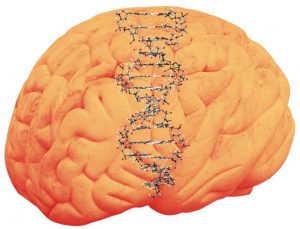
The study found that zinc levels play a crucial role in shaping synapses in the developing brain. Neuronal activity regulates zinc levels, which in turn impact the localization and activity of Shank proteins and AMPA receptors. The researchers discovered that zinc induces functional changes in AMPA receptors, leading to a subunit switch. The presence of Shank2 and Shank3 proteins is necessary for zinc-sensitive enhancement of AMPA receptor-mediated synaptic transmission. Genetic mutations or environmental insults affecting zinc sensitivity and Shank2/Shank3 proteins could impair synaptic maturation and circuit formation, contributing to autism spectrum disorder (ASD) etiology. Understanding the zinc-Shank protein interaction may lead to diagnostic, treatment, and prevention strategies for autism. However, controlled studies on the risk of autism with zinc supplementation in pregnant women or babies are lacking. It is important to note that excessive zinc intake can have negative health effects, such as reducing copper absorption. Additionally, zinc deficiency may not be solely caused by dietary factors but could also result from absorption issues in the gut. Overall, the findings suggest a link between disrupted zinc handling in neurons and ASD, highlighting the importance of further research in this area.
Read Orginal Article Here: Full Article